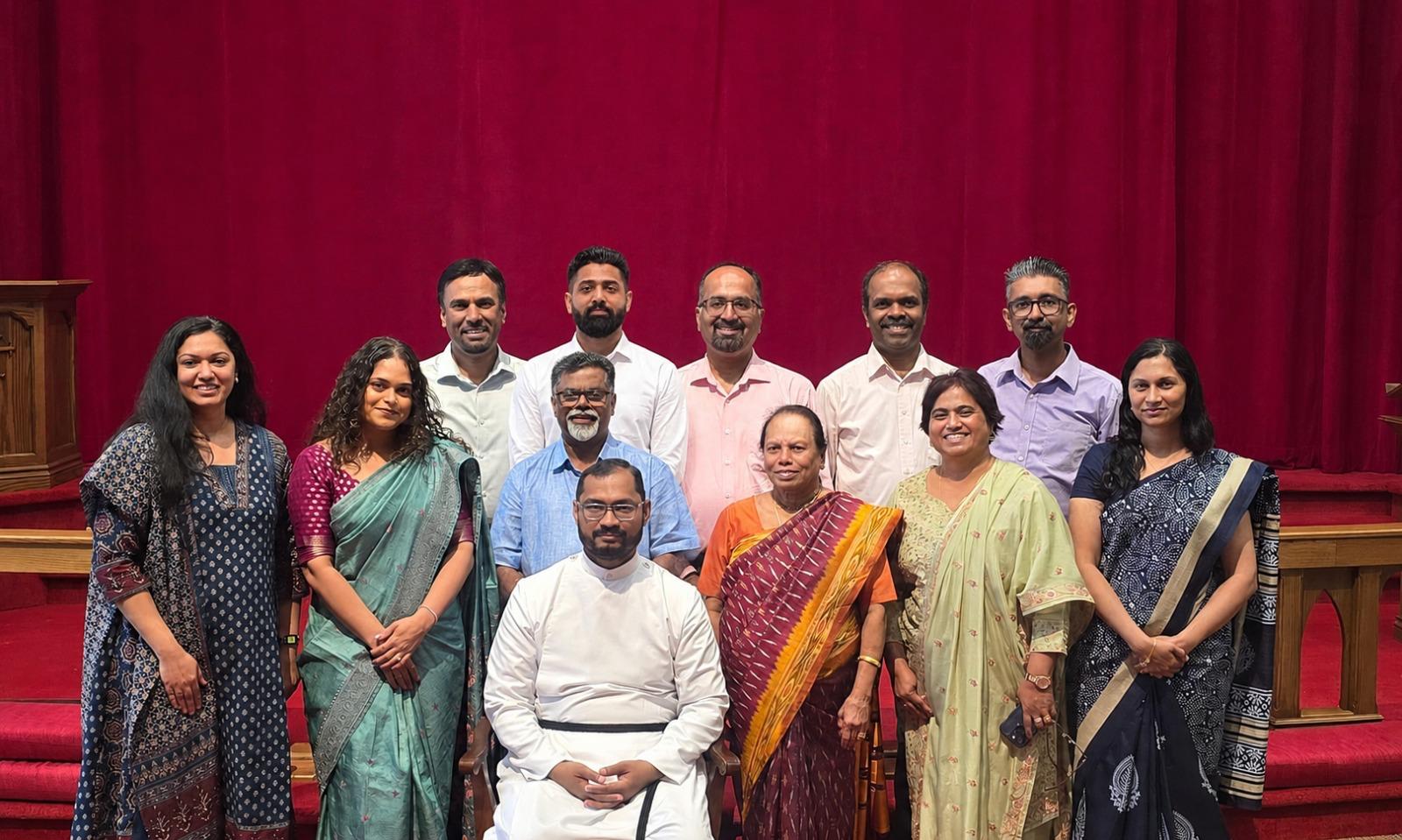
The Malankara Mar Thoma Choir is an integral and vibrant part of the church's liturgical worship, dedicated to leading the congregation in praise and preserving the rich musical heritage of the Eastern Reformed tradition. Functioning under the broader guidance of the Department of Sacred Music and Communications (DSMC)—the official music department of the global Mar Thoma Church—the choir is tasked with maintaining the solemnity, theological depth, and beauty of the Holy Qurbana (Communion service). Comprising dedicated men, women, and youth, the choir serves not merely as a group of performers but as spiritual worship leaders, using ancient Syriac chants, classic Malayalam hymns, and contemporary Christian music to elevate the worship experience of the entire congregation.
In Canada, local parish choirs, such as the Canadian Mar Thoma Church (CMTC) Choir, operate under the Diocese of North America to adapt this profound musical tradition for the diaspora. Balancing the deep historical roots of Kerala with the linguistic realities of North America, these choirs uniquely serve a multi-generational congregation. By seamlessly integrating traditional Malayalam liturgies with English hymns and contemporary worship songs, the Canadian choirs act as a vital cultural bridge. They ensure that the older generation remains deeply connected to the comforting, familiar sounds of their heritage, while simultaneously allowing Indo-Canadian youth to actively engage and find meaningful spiritual expression in a Western context.
The Choir serves as a deeply committed ministry within the local parish, maintaining a rigorous practice schedule and highly anticipated annual events. The weekly routine involves dedicated rehearsals to prepare the complex, four-part harmonies and liturgical responses required for the Sunday Holy Qurbana. Beyond regular Sunday services, the choir takes center stage during major liturgical seasons—particularly during the solemn services of Passion Week and the deeply cherished Christmas Carol Service, which is often a musical highlight of the parish calendar. Through their participation in regional choir fests, diocesan musical training, and collaborative ecumenical events, the choir continuously uses the universal language of music to witness their faith, foster community fellowship, and glorify God.